Print
Print
 Create flyer
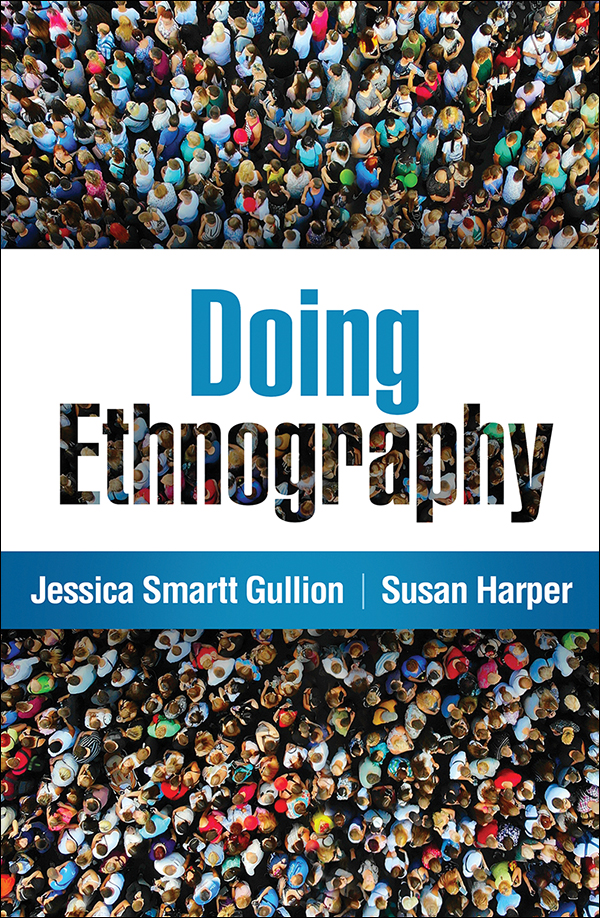
Doing Ethnography
Jessica Smartt Gullion and Susan Harper
 Request a free digital professor copy on VitalSource ?
- What Is Ethnography?
- Understanding Culture
- Ethnography as a Research Method
- Interviews
- Insider, Outsider
- The Origins of Ethnography
- Anthropology
- Sociology
- Colonial Roots of Ethnography
- Sacred Knowledge
- Ethnography, Espionage, and War
- Reflecting on History
- Issues of Voice and Representation
- Ethnography Today
- Conclusion
2. Before You Go Into the Field
- Getting Started
- Writing Research Questions
- Ethical Considerations
- The Belmont Report
- Situational and Relational Ethics
- Reflexivity and Diffraction
- Conclusion
3. Field Work
- Beginning Fieldwork
- The Field
- When Your Field Is the Internet
- Safety in the Field
- Culture Shock
- Other Hazards
- International Field Work
- Travel to the Field
- Equipment
- Costs
- Audio/Video Recording, Preservation of Cultural Artifacts
- Field Notes and Memos
- Transcription
- Preservation and Archiving of Data
- The Politics of Fieldwork
- Conclusion
4. Data Organization and Analysis
- Moving to Analysis
- Engaging Data
- Analytic Moves
- Coding
- Writing Social Theory
- Poetic Inquiry
- Collage
- Conclusion
5. (Re)presentation
- Written Accounts
- Thick Description
- Authorial Voice
- Maintaining Confidentiality
- Member Checking and Co-Constructed Narratives
- Polishing Your Writing
- Ethnographic Tropes
- Scientific Papers
- Writing for Peer-Reviewed Journals
- Writing Books
- Conclusion
6. Evaluation
- Going on Trial
- The Trial of Alice Goffman
- The Trial of Margaret Mead
- Evaluating Ethnography
- “Science”
- Conclusion
Appendix: Margaret Mead and Alice Goffman Walk into a Bar
Glossary
References
Index